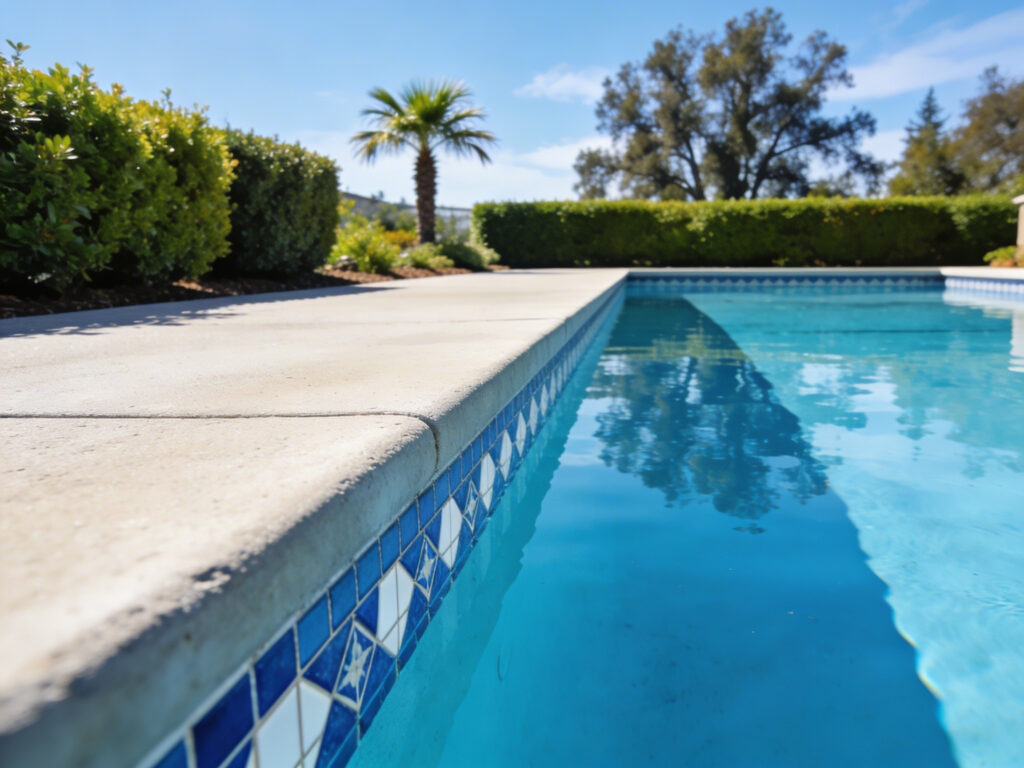
Spring Pool Opening Checklist for Camarillo Homeowners — What to Do Before Memorial Day
Memorial Day weekend is the unofficial start of pool season in Camarillo and with temperatures already climbing into the 70s, your pool needs attention right now, not the week before your first cookout.
Every spring we get the same calls: “The water looks green,” “something smells off,” or “the pump is making a noise I’ve never heard before.” In most cases, those headaches are completely avoidable with a few hours of prep in March and April.
This pool cleaning checklist walks you through everything a Camarillo pool owner should do before Memorial Day weekend, from the first visual inspection after winter to the final chemical balance that makes the water sparkle. We’ve also included tips specific to Ventura County conditions, because our pools face challenges that most generic guides don’t account for.
Step 1: Do a Full Visual Inspection Before You Touch Anything
Before you pull the cover or flip a single switch, walk the entire perimeter of your pool and look for anything that changed over the winter. Camarillo’s winter rains, while mild compared to most of the country, can shift soil around deck footings, loosen fittings, and leave cracks that weren’t visible in September.
What to look for:
- Check the deck and coping for new cracks, lifted sections, or settling near the edge. These can indicate ground movement and should be addressed before regular use.
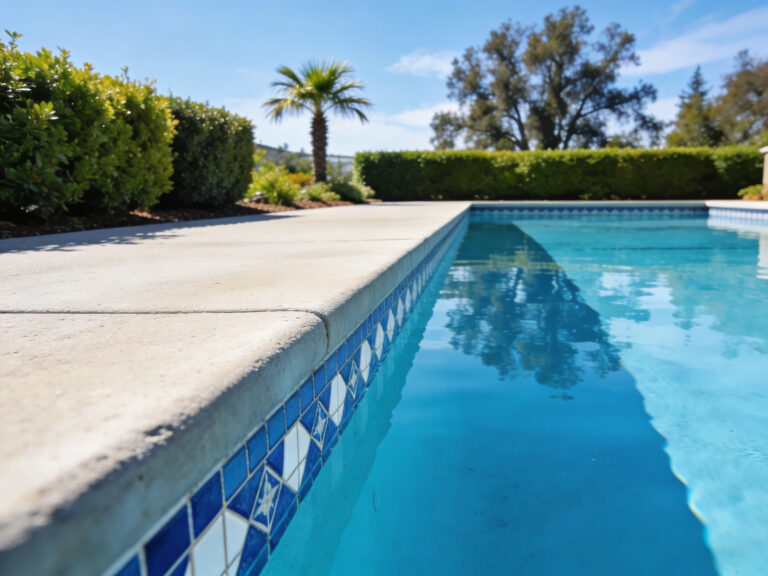
- Inspect the tile line and plaster for staining, scaling, or spalling. Winter evaporation followed by rain can leave calcium deposits or etching you’ll want to address now.
- Look at all visible plumbing fittings, return jets, skimmer baskets, and drain covers. Check for cracks or anything that looks displaced.
- Check the water level. It should be at mid-skimmer. Winter rains may have overfilled your pool partially drain it before opening if needed.
- Look for standing water around equipment. A wet pad around the pump or pool heater is an early warning sign of a seal or fitting issue.
Step 2: Remove and Clean the Pool Cover
If you use a winter cover or safety cover, spring removal is a two-person job. Don’t skip the cleaning step a dirty, improperly stored cover is a breeding ground for mold and mildew that will shorten its lifespan significantly.
Cover removal checklist:
- Pump or drain standing water from the top of the cover before you try to remove it. Trying to fold a cover with water sitting in it is a great way to dump debris directly into your pool.
- Remove debris from the surface with a leaf blower or soft brush before folding. Fold the cover accordion-style to keep dirt contained.
- Lay the cover flat on the grass or driveway, rinse with a hose, and treat with a cover cleaner and conditioner. Let it dry fully before storing.
- Inspect for tears or worn spots while it’s flat and dry. Repairs are cheap now; replacement is not.
- Store in a mesh or breathable bag in a cool, dry place away from sunlight. Your garage works well. Avoid leaving it folded on the grass all spring.
Step 3: Clean the Pool Thoroughly Before Balancing Chemistry
Here’s a mistake we see every spring: homeowners dump chemicals into a dirty pool and wonder why they can’t get the water clear. Chemicals work properly in clean water. Debris, algae, and sediment consume sanitizer before it can do its job. Clean first, then treat.
Cleaning checklist:
- Remove large debris with a leaf net , not a skimmer basket, which won’t handle a full winter’s worth of leaves. Work slowly to avoid stirring up sediment from the bottom.
- Brush all surfaces top to bottom — tile line, walls, and floor. Use a nylon brush for plaster or vinyl; a stainless steel brush for concrete. Brushing loosens algae and biofilm that the filter will then capture.
- Vacuum to waste if possible, bypassing the filter. This removes sediment directly rather than sending it through the filtration system. If you only have a filter return, vacuum slowly and backwash frequently.
- Clean the skimmer basket and pump basket. Remove any debris, rinse with a hose, and check for cracks before reinstalling.
- Clean or backwash your filter. Sand filters: backwash until the sight glass runs clear. Cartridge filters: remove, rinse, and soak overnight in filter cleaner. DE filters: backwash, disassemble, and inspect grids.
⚠️ Green water? Don’t just add shock. If your pool has gone green over winter, there’s an established algae colony in there — not just dirty water. You’ll need to treat it as an algae problem: brush every surface thoroughly, then follow the shock-and-treat protocol in Step 5. It may take 2–3 treatments over several days. Skipping the brushing step almost always means you’ll be doing this twice.
Step 4: Inspect and Start Up Your Equipment
Equipment startup is the step most homeowners are least comfortable with, and the one most likely to cause expensive damage if done incorrectly. At minimum, walk through the checklist below. If you’re unsure about any of it, this is the step worth calling a professional for.
Equipment startup checklist:
- Reinstall any drain plugs removed for winterization before starting the pump. This is the most common spring startup mistake, running a pump dry for even a few minutes can damage the seal.
- Check the pump for prime. Make sure the pump basket is full of water before starting. Listen for normal operation — a grinding, screeching, or rattling pump needs attention before you run it.
- Inspect all visible plumbing for leaks once the system is running. Check unions, fittings, and the filter tank for drips or seeps under pressure.
- Test your heater if you have one. Ignite it and confirm it reaches your set temperature. Look for error codes on digital displays. Gas heaters that sat unused all winter may need a burner cleaning.
- Check your automation system and timers, reset time-of-day clocks, confirm pump run schedules, and verify that any remote control apps are still connected.
- Inspect and lubricate all O-rings and valves with a silicone-based lubricant. Avoid petroleum products, which degrade rubber quickly.
🔋 California law update: If your pump is more than a few years old and runs on a single-speed motor, California now requires variable-speed pumps when replacing a pump. Spring is a natural time to evaluate your equipment. A variable-speed pump typically pays for itself in energy savings within 2–3 years and runs significantly quieter.
Step 5: Shock the Pool and Complete Your Chemical Startup
Even if your water looks clear, spring startup shock is not optional. It breaks down accumulated organic material, eliminates early-stage algae, and gives your sanitizer a clean start for the season.
Shock and startup checklist:
- Shock at dusk or after dark. Chlorine-based shock degrades rapidly in sunlight. Adding it in the evening lets it work overnight without burning off. Use 2 lbs of calcium hypochlorite shock per 10,000 gallons for a standard spring opening double that if you’re treating active algae.
- Pre-dissolve granular shock in a bucket of water before pouring it in. Never add granular chemicals directly to the skimmer. Concentrated granules sitting on plaster can bleach or etch the surface.
- Run the pump continuously for 24 hours after shocking. The filter needs to run to remove dead algae and chemical byproducts.
- Add a preventive algaecide once chlorine levels have dropped back to the normal range (below 5 ppm). Adding algaecide when chlorine is very high degrades it immediately, timing matters.
- Wait until free chlorine reads between 1–4 ppm before swimming. Test 24 hours after shocking. Clear water confirmed by a test not by sight, is your green light.
☀️ Spring in Camarillo — UV intensity peaks early. By late April, UV index levels in Ventura County are high enough to burn off unprotected chlorine in 2–3 hours. Make sure your cyanuric acid (CYA) stabilizer is in range before we hit peak spring sun. Without it, you’ll be fighting chlorine loss constantly throughout the season. This is one of the most commonly skipped steps in spring openings and one of the most expensive mistakes to fix in July.
Don’t Want to Do This Yourself? We’ve Got You.
Crystal Clear Pool Care offers complete spring opening pool cleaning services for Camarillo homeowners. We handle every step on this list and leave you a written water report so you know exactly where your pool stands going into swim season.
Call us today or fill out our form on crystalclearpoolscare.com to schedule your spring opening.